


Wisbroek Crane DietWI132
Success: Available from stock
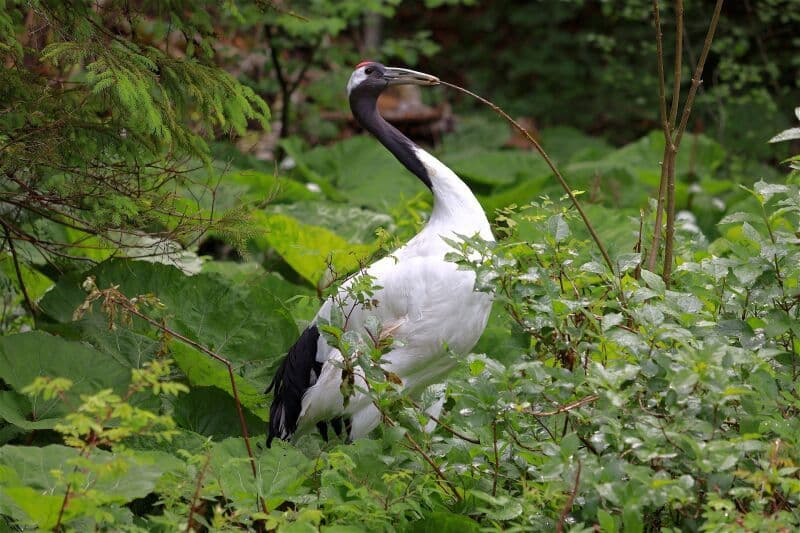
More informationNatural diet Red-crowned crane
Red-crowned cranes are omnivorous birds that have a very diverse diet. It includes a variety of small invertebrates and vertebrates, grasses, berries and other plants. During the winter, they migrate to paddy fields where they feed on rice.




4%
If an animal weighs 8 kg and eats 4% of its body weight, it will get
8 x 0.04 = 0.32 kg feed in total per day
5% Insects and other invertebrates
80% Concentrates
15% Leafy greens and cabbages
0.05 x 0.32 kg = 16 g insects and other invertebrates
0.8 x 0.32 kg = 256 g concentrates
0.15 x 0.32 kg = 48 g leafy greens and cabbages
4%
If an animal weighs 8 kg and eats 4% of its body weight, it will get
8 x 0.04 = 0.32 kg feed in total per day
5% Insects and other invertebrates
80% Concentrates
15% Leafy greens and cabbages
0.05 x 0.32 kg = 16 g insects and other invertebrates
0.8 x 0.32 kg = 256 g concentrates
0.15 x 0.32 kg = 48 g leafy greens and cabbages
Variety of leafy vegetables
Variety of insects
Soluble grit
Bread
Fruits
An unbalanced diet may result in one of these more commonly occurring diseases/conditions:
Variety of leafy vegetables
Variety of insects
Soluble grit
Bread
Fruits
An unbalanced diet may result in one of these more commonly occurring diseases/conditions:
